Earthworms in your lawn: what they mean and what to do about worm casts

If you are seeing worm casts on your lawn, it is usually a positive sign.
Earthworms indicate healthy, living soil and play an important role in improving drainage, aeration, and nutrient movement. While the small mounds they leave behind can look untidy at times, they are part of a natural process that supports long-term lawn health rather than harming it.

This guide explains why earthworms appear in lawns, when worm activity is most noticeable, and how to manage castings without damaging your grass or soil structure.

Why earthworms are active in lawns

Earthworm activity is most noticeable when soil moisture levels are high. Soft, damp ground allows worms to move more easily through the soil, and higher water tables encourage them closer to the surface.

In the UK, this means worm casts are most commonly seen:
  • In autumn
  • During mild, wet winters
  • After prolonged rainfall
This seasonal activity is normal and tends to reduce naturally as soils dry out in spring and summer.

For many years, chemical products were used to suppress worms in lawns. These are no longer available, and for good reason. Modern turf management focuses on working with natural soil biology rather than against it. Earthworms are a vital part of a healthy lawn ecosystem.
Info centre - Earthworms in your lawn

How to identify earthworms and worm casts

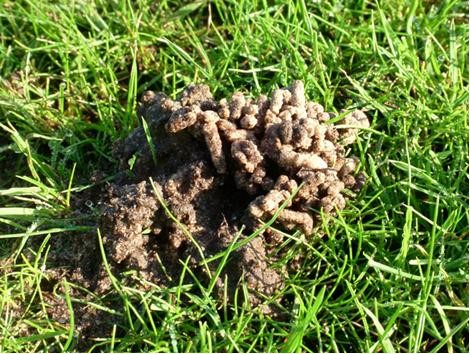
You will usually know earthworms are present by the small, dark mounds of soil scattered across the lawn. These are known as worm casts.

In very wet conditions, you may also notice:
  • Small holes around 5 to 6mm wide
  • Soft soil around the grass surface
  • Occasional worms visible early in the morning
Most earthworms live in the top 300mm of soil and vary in size from a few millimetres to several centimetres. Their colour ranges from light brown to reddish brown.
Info Centre - Earthworm

The benefits of earthworms for lawn health

Earthworms act as natural soil conditioners. As they move through the soil, they:
  • Break down organic matter and thatch
  • Improve soil structure
  • Create channels for air and water movement
  • Help nutrients reach grass roots more efficiently
Worm casts themselves are rich in nutrients and beneficial microorganisms. While surface casts can look messy, below ground they contribute to stronger, more resilient turf.

Professional turf growers value earthworm activity because healthy soil is the foundation of a good lawn. Even the highest quality turf will struggle if soil structure is poor.

How to manage worm casts without harming your lawn

Rather than trying to remove earthworms, the aim is to manage their surface activity in a way that keeps your lawn looking tidy.

Practical steps that work well include:
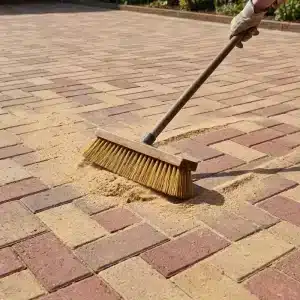
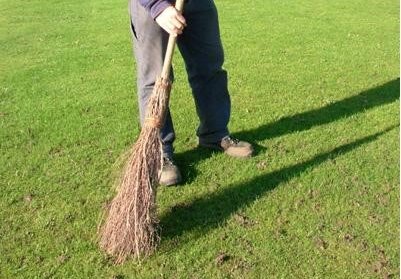
  • Allow casts to dry naturally, then brush them back into the grass using a stiff broom or lawn brush
  • Brush casts before mowing to avoid smearing soil across the surface
  • Maintain a regular mowing schedule to keep grass dense and competitive
  • Collect grass clippings to reduce excess organic matter
  • Avoid washing casts away with a hose, as saturated soil encourages more worms to surface
These approaches support soil health while keeping your lawn usable and presentable.
Info centre - Earthworms in your lawn

Levelling lawns affected by worm activity

Over time, repeated worm casting can contribute to minor surface unevenness. This is easily managed as part of routine lawn care.

Why top dressing helps

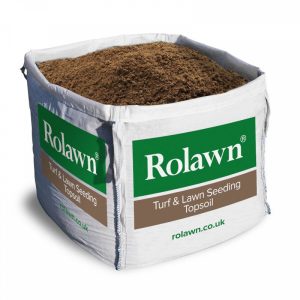
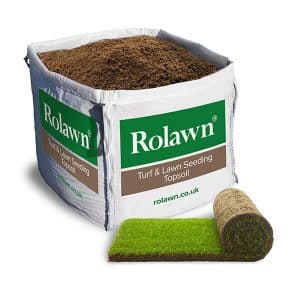
Top dressing is particularly effective in spring or autumn when grass is actively growing. Using a fine, well-balanced top dressing designed for lawns makes it easier to work into the turf without smothering the grass.
  • Levels shallow dips and hollows
  • Improves surface appearance
  • Supports soil structure and root development
  • Helps control thatch build-up
This is also a useful step after brushing in heavy worm casts or when preparing a lawn for overseeding.

Earthworms in new turf

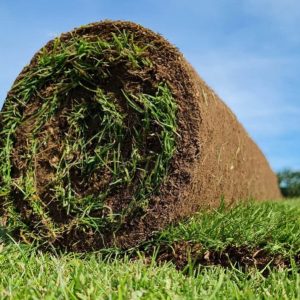
If you notice earthworms in newly laid turf, this is not a fault. Naturally grown turf may contain worms, which indicates it has been produced without chemical soil treatments.

Turf grown to modern environmental standards supports soil life rather than suppressing it. With correct preparation and aftercare, worms will help your new lawn establish more successfully over time.

When to seek advice

Most worm activity is seasonal and settles naturally. However, if your lawn surface becomes persistently uneven or struggles to recover, it may indicate underlying soil issues such as compaction or poor structure.

Getting expert advice early can help you choose the right maintenance approach, whether that is aeration, top dressing, overseeding, or selecting turf better suited to your conditions.

A lawn is a long-term investment, and good soil care is just as important as the turf itself.
FAQs
Are earthworms bad for lawns?

No. Earthworms improve soil structure and help grass roots access air, water, and nutrients. Their presence almost always indicates healthy soil.

Worms feed below ground and push digested soil to the surface, especially during cool, wet conditions when soil is soft.

Chemical worm treatments are no longer permitted in the UK. More importantly, removing worms is not recommended as it can damage soil health.

Let them dry, then brush them back into the turf. Regular lawn care and top dressing help keep the surface level.

For more techniques to help you maintain a healthy lawn, explore our other lawn aftercare advice.

Lawn care reminders to your inbox

You can also sign up to our newsletter to receive free seasonal lawn care advice and reminders of essential maintenance, as well as general horticultural advice and special offers from Rolawn.