Overseeding a Lawn

Overseeding is one of the most effective ways to restore a thinning or patchy lawn. By introducing new grass seed into existing turf, you can improve density, colour, and resilience without starting again. When carried out at the right time and with proper preparation, overseeding strengthens your lawn over the long term and helps it cope better with wear, weather, and seasonal stress.

This guide explains when to overseed a lawn, which seed to choose, and how to overseed successfully, based on the same principles used by professional turf growers.

What is overseeding, and why does it matter?

Overseeding involves sowing grass seed directly into an established lawn. Over time, lawns naturally thin due to foot traffic, drought, shade, soil compaction, and seasonal change. Overseeding helps to counter this natural decline.

The main benefits of overseeding include:
  • Filling bare patches and thinning areas
  • Creating a thicker, denser sward
  • Improving overall lawn colour
  • Reducing the opportunity for weeds and moss to establish
  • Supporting recovery after drought, flooding, or heavy use

When combined with scarification and good soil preparation, overseeding plays a key role in annual lawn maintenance and long-term lawn health.

If you are deciding whether overseeding is sufficient or whether replacement turf is more appropriate, comparing turfing versus seeding can help clarify the best approach for your situation.


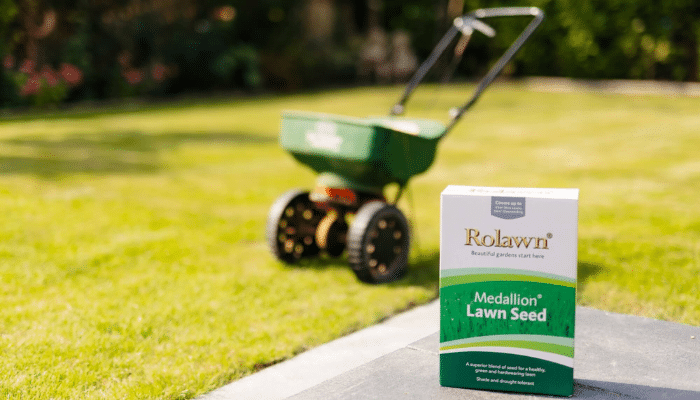
Box of Rolawn Medallion Lawn Seed with spreader in background

When is the best time to overseed a lawn?​

The best time to overseed a lawn in the UK is spring or autumn. During these periods, soil temperatures are consistently above 13°C, which supports reliable germination.

Under favourable conditions, grass seed typically begins to germinate within 7 to 21 days.

Autumn is often considered ideal because:

  • The soil is still warm from summer
  • There is generally more natural rainfall
  • Weed competition is lower than in spring

Spring overseeding can also be successful, particularly where lawns are recovering from winter damage, as long as soil temperatures are warm enough and moisture levels are maintained.

For more details on seasonal timing, Rolawn’s guidance on when to sow grass seed offers additional context.

How do I choose the right seed for overseeding?

Choosing the correct seed mix is essential. The aim is to complement your existing lawn rather than introduce grasses that struggle in your garden’s conditions.

Before selecting seed, consider:

  • How the lawn is used, such as play, pets, or ornamental use
  • Light levels, including shade from buildings or trees
  • Soil drainage and moisture retention
  • The appearance you want to achieve

For most family gardens and high-use lawns, a seed mix containing perennial ryegrass offers excellent durability. Our 1kg Lawn Seed and our 20kg Lawn Seed are popular choices because they use the same advanced cultivars found in Medallion® Turf, delivering strong colour, rapid establishment and wear tolerance.

For shaded or drier areas, or where a finer appearance is preferred, a fescue-based seed mix may be more suitable. These grasses offer finer leaf texture, rich colour, and improved tolerance to lower light and moisture levels.

In many gardens, different areas benefit from different seed types. For example, a ryegrass blend for a back lawn and a fescue blend for a shaded front lawn can produce better overall results.

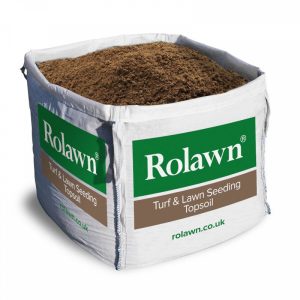
To give new seed the best possible start, preparing the surface with Lawn Seeding Topsoil helps create a stable, nutrient-rich growing environment.

How to overseed a lawn step by step

  1. Mow the lawn to approximately 25mm to allow the seed to reach the soil surface.

  2. Scarify the lawn using a spring-tine rake or a powered scarifier to remove thatch and surface debris. This step is crucial for seed-to-soil contact.

  3. Aerate the lawn by spiking with a garden fork to a depth of around 150mm at roughly 300mm intervals. This improves drainage and root development.

  4. Feed the lawn if it has not been fertilised within the last four months. A pre-seeding fertiliser can be applied a few days before overseeding. If a feed, weed, and moss treatment has been used, always follow the product guidance and allow sufficient time before seeding.

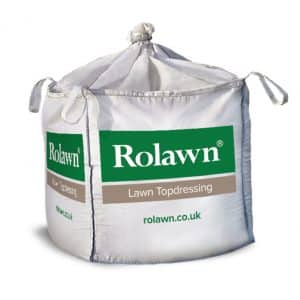
  5. Sow the seed evenly across the lawn. Medallion Lawn Seed should be applied at around 23g per square metre for overseeding. Seed can be mixed with lawn topdressing to save time and help work it into the surface. Watch our Seeding a Lawn Video for a visual guide.

  6. Keep the area moist. If there is no rainfall, lightly water after two or three days to prevent the seed from drying out.

  7. Bare patches can be treated individually using the same preparation steps but apply seed at the higher rate used for new lawns, around 35g per square metre.

  8. Protect seeded areas from birds using netting or garden fleece if needed. Remove once shoots begin to appear.

  9. Minimise foot traffic for at least 7 to 21 days while seedlings establish.
  10. Raise mowing height to around 50mm for the first few cuts, then gradually reduce back to 25mm. Never remove more than a third of the grass blade length at any one time.

For a more detailed walkthrough, Rolawn’s guide to sowing a lawn from seed provides additional support.

Frequently asked questions about overseeding

How long does overseeding take to work?

Most grass seed begins to germinate within 7 to 21 days, depending on temperature and moisture. Full thickening of the lawn develops over several weeks.

You can, but the results are often disappointing. Scarification greatly improves seed-to-soil contact, which is critical for successful germination.

You can, but the results are often disappointing. Scarification greatly improves seed-to-soil contact, which is critical for successful germination.

Yes. Overseeding combined with scarification is an effective way to support lawn recovery once soil moisture levels have returned.

Further guidance

Further lawn care advice can be found in our Information Centre. You can also sign up for lawn tips to receive regular lawn care advice, news and promotional offers by email which will help you get the best from your lawn.

For more techniques to help you maintain a healthy lawn, explore our other lawn aftercare advice.

Lawn care reminders to your inbox

You can also sign up to our newsletter to receive free seasonal lawn care advice and reminders of essential maintenance, as well as general horticultural advice and special offers from Rolawn.