Toadstools & fungi in turf

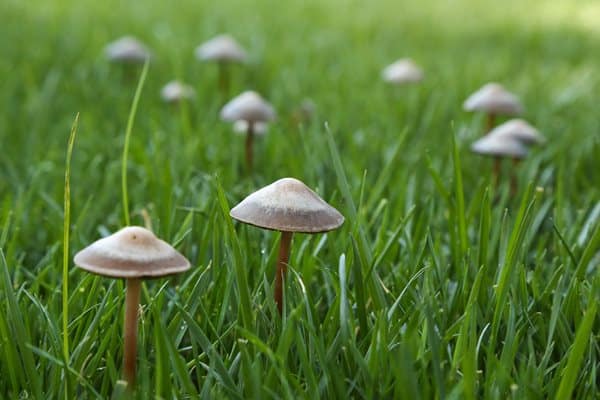
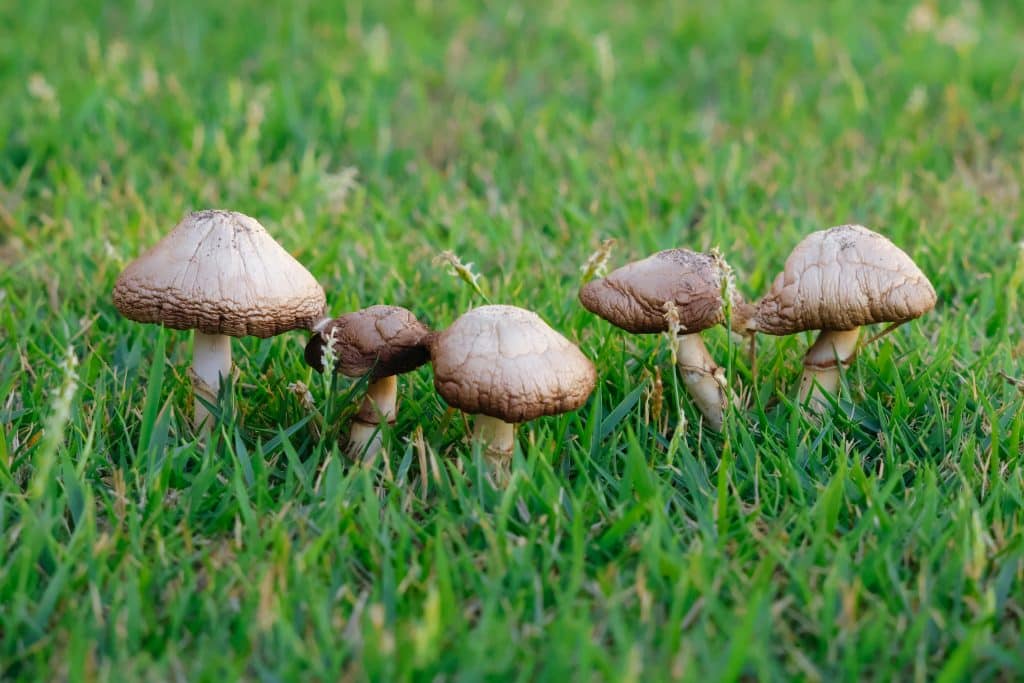
If toadstools or mushrooms have appeared in your lawn, there is usually no cause for concern. In most cases, they are a natural part of a healthy soil ecosystem and will disappear on their own as conditions change. They do not damage turf and rarely require treatment. Understanding why they appear will help you manage them correctly.
 
Below, we explain why fungi develop in lawns, whether they are harmful, and what practical steps you can take.
 

Why do toadstools grow in lawns?

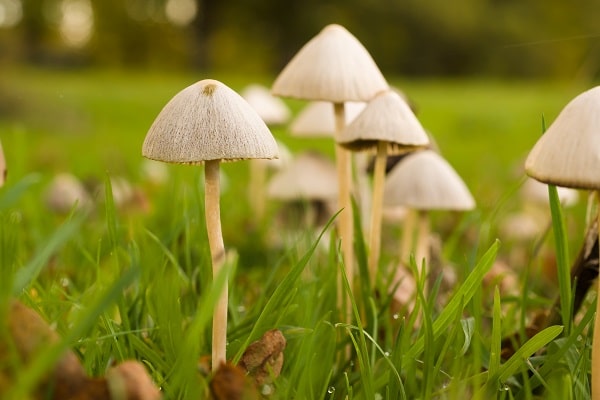
Toadstools are the visible fruiting bodies of fungi living beneath the surface of your lawn. The main part of the fungus is made up of fine thread-like structures called mycelium, which grow through the soil and organic matter.

Fungi thrive when three conditions come together:
  • Moist soil
  • Warm, humid weather
  • Organic material to break down

This often means late summer and autumn are peak times for toadstools in the UK. Newly laid turf can also produce toadstools, as the disturbance caused by harvesting and laying sometimes stimulates fungal activity.

Fungi play an essential role in breaking down organic matter and recycling nutrients back into the soil. In that sense, their presence is part of a functioning lawn ecosystem.

Are toadstools a sign of a healthy lawn?

Often, yes. Many homeowners assume mushrooms mean something is wrong. In reality, fungi are among the most active micro-organisms in turf. They help decompose thatch and other debris, releasing nutrients that support grass growth.

Toadstools usually indicate:

  • Active soil biology
  • Organic matter beneath the surface
  • Adequate moisture levels

That said, not all fungi are beneficial. Some fungal diseases, such as red thread or fusarium patch, can affect lawns during damp conditions. These diseases look very different from simple toadstools and require specific lawn care adjustments rather than treatments.

If your grass remains green and growing well, isolated toadstools are rarely a problem.

Info Centre - Mushrooms in your turf

Are lawn mushrooms poisonous?

Some wild mushrooms are toxic. However, the small toadstools commonly seen in domestic lawns are typically harmless to touch.

As a sensible precaution, do not allow children or pets to eat them, and you should remove visible toadstools if concerned.

Handling them while wearing gardening gloves is sufficient.

Will toadstools damage turf?

No. Toadstools themselves do not harm grass plants.

They feed on dead organic material in the soil, not on living turf. Once weather conditions become drier or cooler, they usually disappear within a few weeks.

If your lawn looks healthy overall, there is no need for aggressive action.

Info centre - lawn aftercare fungi in turf

How to remove toadstools from your lawn

If you prefer not to see them, you can remove them easily:

  1. Pick them by hand while wearing gloves.
  2. Brush them off before mowing.
  3. Mow with a collection box fitted.

Removal improves appearance but does not eliminate the underlying fungus. That is neither necessary nor practical in most gardens.

How to reduce repeat outbreaks

If toadstools return frequently in the same area, consider the underlying conditions.

1) Reduce excess thatch – Scarifying your lawn removes built-up organic matter (thatch). This improves airflow and reduces the food source fungi rely on.

2) Check for buried debris – Old tree roots, timber, or organic material beneath the surface can fuel fungal growth. If you suspect buried debris, carefully lift a small section of turf to inspect.

3) Review feeding practices – Overfeeding can increase soft growth and organic build-up. A balanced seasonal programme supports steady, resilient grass rather than excessive top growth.

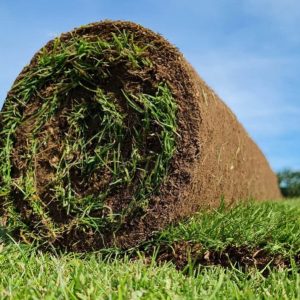
If your lawn has become thin or patchy over time, overseeding or partial renovation may help restore density. Using high-quality seed or laying fresh turf designed for UK conditions provides a stronger long-term solution.

For new lawns, choosing a premium product such as Medallion® Turf can improve resilience from the outset. Well-grown turf laid on properly prepared soil is better able to cope with seasonal stresses.

Should you use fungicides on lawn mushrooms / toadstools?

No. There are currently no fungicides approved in the UK specifically for treating toadstools in lawns. More importantly, fungi are a natural and beneficial part of soil life.

Applying fungicides without a diagnosed disease can disrupt soil balance and is unnecessary for lawn mushrooms.

If you are dealing with confirmed lawn disease , tailored advice and correct seasonal care are the right approach.

Why do mushrooms appear on newly laid turf?

Most of the time, you should not.

Seek further advice if you notice:

  • Large areas of discoloured or dying grass
  • Circular brown patches spreading quickly
  • Slimy or persistent surface growth

These signs may indicate lawn disease rather than simple mushroom development.

If in doubt, expert guidance early on prevents unnecessary treatments and supports better long-term results.

When should you worry about fungi in your lawn?

Newly laid turf sometimes produces mushrooms because:

  • Soil moisture is high during establishment
  • Turf harvesting stimulates fungal activity
  • Organic material beneath the turf becomes active

This is temporary. As the lawn establishes and conditions stabilise, mushrooms usually stop appearing.

Following correct aftercare helps:

You can find detailed seasonal lawn care advice in Rolawn’s online lawn care guidance section.

A balanced approach to lawn health

Toadstools in turf are usually part of normal lawn life. They do not damage grass and often indicate active, functioning soil. In most gardens, they disappear as the season changes.

Focus on steady lawn care, good soil preparation and appropriate seasonal feeding. If you are planning to renovate or lay new turf, choosing a high-quality product suited to your garden conditions gives your lawn the best chance of long-term success.

If you would like further guidance on improving lawn health or selecting the right turf, Rolawn’s online advice centre provides practical, expert-led support to help you get the best from your garden.

FAQs

Why do I suddenly have mushrooms growing in my lawn?

Mushrooms can appear very quickly after rainfall combined with warm temperatures. The fungus is already present underground. The visible toadstool simply develops rapidly when conditions are right.

Not necessarily. They are more closely linked to organic matter and moisture levels. However, consistently waterlogged soil may benefit from aeration to improve structure.

Remove mushrooms as soon as they appear and dispose of them safely. Improve drainage, avoid overwatering, and clear organic debris like leaves and thatch, as fungi thrive in damp, shaded conditions. Regular mowing and aeration will also help prevent them from returning.

Yes, poisonous mushrooms can grow in your garden. They appear naturally in lawns and soil, so it’s best to treat all mushrooms as potentially harmful and remove them promptly.

No. Picking them removes the visible growth but not the underground fungus. They usually stop naturally as weather conditions change.

It is not realistic to eliminate fungi entirely. Good lawn maintenance, balanced feeding, scarifying, and proper soil preparation reduce excessive outbreaks.

Yes. Mild, damp autumn weather in the UK creates ideal fungal conditions.

Some mushrooms in lawns can be poisonous to dogs and cats. It’s difficult to tell which are safe, so treat all mushrooms as a risk and remove them. If your pet eats one, contact your vet straight away.

Further guidance

Further lawn care advice can be found in our Information Centre. You can also sign up for lawn tips to receive regular lawn care advice, news and promotional offers by email which will help you get the best from your lawn.

For more techniques to help you maintain a healthy lawn, explore our other lawn aftercare advice.

Recommended products:

Lawn care reminders to your inbox

You can also sign up to our newsletter to receive free seasonal lawn care advice and reminders of essential maintenance, as well as general horticultural advice and special offers from Rolawn.