Calculating topsoil requirements

To calculate how much topsoil you need, measure the length and width of the area, multiply by the required depth, and convert the result into cubic metres (m3).

Getting this right from the start helps avoid wasted money, uneven ground, and delays during your project.

This guide explains how to calculate topsoil requirements accurately, how depth varies depending on what you are planting, and how to choose the right type of topsoil for long-term results.

Remember that if you need assistance, our Customer Services Team are more than happy to help. Click here for our contact details.

Using a topsoil calculator

If you prefer a quicker approach, a topsoil calculator can do the maths for you.

Enter measurements in metres or imperial units, choose the right depth for your project, and quickly see how many bulk bags of topsoil you will need.

Alternatively, you can find more information below on how to measure area and depth.

How to measure your area for topsoil

Start by measuring the length and width of the area you want to cover. Measuring in metres is simplest and avoids unnecessary conversions later.

Next, decide on the depth of topsoil required. This will depend on whether you are laying turf, planting borders, or filling raised beds.

For example:

A site has an area of 10m x 15m and needs a coverage of 150mm.

10 x 15 x 0.15 = 22.5m3

Calculating loose topsoil by tonnage

If you are buying loose topsoil rather than bulk bags, you will need to convert volume into weight.

As a general guide: One tonne of standard topsoil equals approximately 0.67 cubic metres.

To calculate tonnage: Divide the required cubic metres by 0.67.

Bulk density varies depending on the type of topsoil and its composition, so always check product specifications where available.

Recommended topsoil depths for different uses

Choosing the correct depth is just as important as calculating the right volume. Too little topsoil can limit root growth, while too much can lead to settling over time.

Lawns
For turf or seed, aim for: 100mm to 150mm of topsoil.
This depth supports healthy root development and long-term lawn performance.

General planting and borders
Most ornamental planting thrives with: 150mm to 200mm of topsoil.

Vegetable growing

The depth of topsoil for growing vegetables will vary depending on what you plan to grow:

  • Root vegetables such as carrots and potatoes need 300mm to 400mm.
  • Shallow-rooted crops like salads, beans and courgettes need 150mm to 200mm.

Raised beds often benefit from deeper soil to improve drainage and root structure.

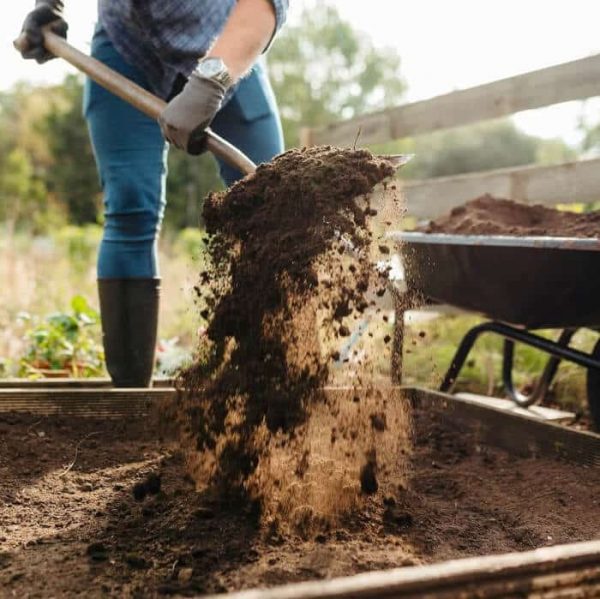
Calculating how much top soil is required for raised beds, laying lawns and growing vegetables
Using Rolawn Vegetable & Fruit Topsoil to fill a raised bed

Choosing the right topsoil for the job

Not all topsoil is the same. Professional growers select topsoil based on structure, fertility, and end use.

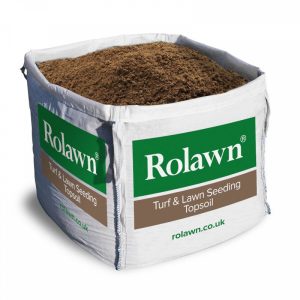
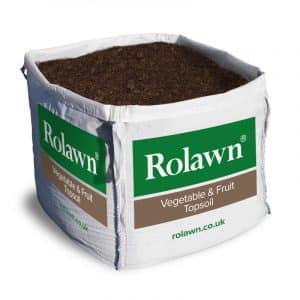
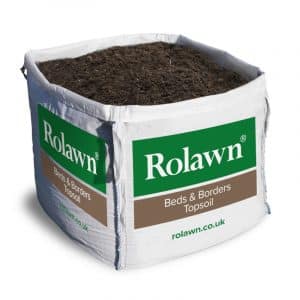
Rolawn offers:

Choosing a topsoil matched to your project makes preparation easier and improves long-term outcomes. This is particularly important when preparing to lay new turf or establishing productive growing areas.

Find out more in our video on selecting the right topsoil.

A note on preparation and long-term results

Professional turf growers focus on soil condition first because even the best turf or plants cannot thrive in poor soil.

Taking time to calculate accurately, choose the right depth, and select a quality topsoil, gives your garden the best chance of success. Good preparation reduces future maintenance and helps your investment perform as intended.

If you are unsure which topsoil is right for your project, getting expert advice early can save time and prevent costly mistakes later.

How do I calculate topsoil volume?

Multiply the area in square metres by the depth in metres to get cubic metres.

Most lawns need between 100mm and 150mm of topsoil for strong root development.

Topsoil is best calculated by volume, not weight, as moisture content can vary.

Lawn care reminders to your inbox

You can also sign up to our newsletter to receive free seasonal lawn care advice and reminders of essential maintenance, as well as general horticultural advice and special offers from Rolawn.