Secure online checkout

Select a Free Delivery Date*

ISO 9001 Quality Management

Award-winning customer service

Watering your turf and soil drainage

If your turf is drying out, struggling to establish, or becoming patchy, the cause is often linked to watering or poor soil drainage. Getting both right is essential. Turf needs consistent moisture to root properly, but it also needs well-drained soil to stay healthy. When you balance the two, your lawn establishes faster, grows stronger, and is far easier to maintain long-term.

Why watering and drainage matter for turf

Watering and drainage work together. Too little water and the turf dries out before roots establish. Too much water, or water sitting in the soil, can lead to weak roots and poor growth.

Healthy turf relies on:

  • Moist soil during establishment
  • Air within the soil for root development
  • Consistent conditions, not extremes

Even high-quality turf will struggle if the ground beneath it is compacted or slow to drain.

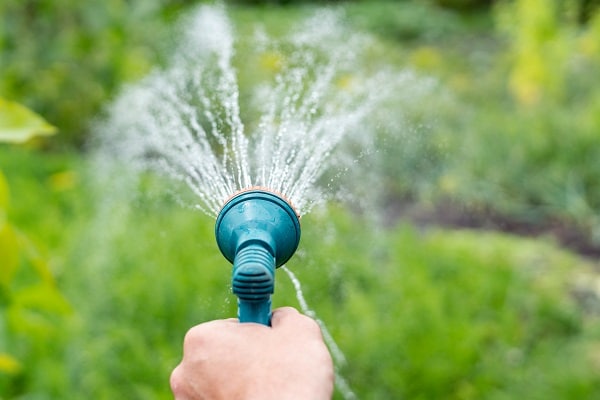
Info Centre - Hosing turf

How to water new turf properly

New turf needs careful, consistent watering from day one. The aim is to keep the turf and the soil beneath it moist, not just damp on the surface.

First 2 weeks after laying turf

  • Water immediately after laying
  • Keep the turf consistently moist throughout the day
  • In warm weather, this may mean watering once or twice daily
  • Focus on even coverage across the whole lawn

A simple check is to lift a corner of the turf. The soil underneath should feel moist, not dry or dusty.

Weeks 3 to 4

  • Reduce frequency slightly
  • Water more deeply, less often
  • This encourages roots to grow down into the soil

After establishment

  • Water only when needed
  • Aim for deeper, less frequent watering
  • This helps build a more drought-tolerant lawn

Signs your turf is not getting the right amount of water

Most lawns show early signs before problems develop further.

You may notice:

  • Turf lifting easily from the soil
  • Edges shrinking or curling
  • Colour fading to a dull green or brown
  • Dry, crumbly soil underneath

These usually point to underwatering or uneven watering.

In contrast, if your lawn has been exposed to excessive rainfall or flooding, the symptoms can look very different. In that case, it helps to understand how to repair a flood-damaged lawn before taking further action.

Understanding soil drainage

Soil drainage refers to how quickly water moves through the ground. Good drainage allows excess water to pass through the soil while still holding enough moisture for the roots.

Poor drainage leads to:

  • Water sitting on the surface
  • Soft, spongy ground
  • Slow root development
  • Increased risk of moss and weeds

If your garden is prone to standing water or flooding, improving drainage alone may not be enough. In these cases, a more structured approach to flood management in gardens can help protect both your lawn and surrounding areas. 

This is often caused by compacted soil or heavy clay.

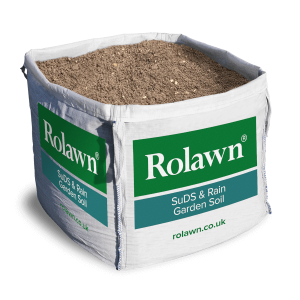
In areas where drainage is a recurring issue or where water needs to be managed more carefully, using specialist solutions such as SuDS rain garden soil or wildflower turf designed for sustainable drainage can help control water movement more effectively.

How to check your soil drainage

A simple test can give you a clear answer.

  1. Dig a small hole around 30cm deep
  2. Fill it with water
  3. Let it drain, then fill it again
  4. Time how long it takes to drain

As a guide:

  • Drains within a few hours → good drainage
  • Takes most of the day → moderate
  • Still full after 24 hours → poor drainage

How to improve drainage before laying turf

Improving drainage before you lay turf makes a significant difference to long-term performance.

For gardens that regularly struggle with excess water, it can also be worth considering SuDS soil systems designed to manage surface water as part of your ground preparation. 

Break up compacted soil

Use a fork or rotavator to loosen the ground. This allows water and air to move more freely.

Add organic matter

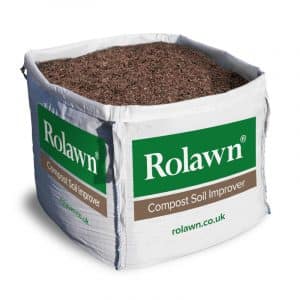
Incorporate compost or well-rotted organic material. This improves soil structure and helps balance moisture retention.

Improve heavy clay soils

If your soil is clay-heavy:

  • Add sharp sand or grit
  • Mix thoroughly into the top layer

This creates a more open structure and reduces waterlogging.

Level and prepare the surface

A well-prepared surface helps water distribute evenly and prevents pooling.
Professional turf growers focus heavily on ground preparation because even the best turf depends on what sits beneath it.

Ongoing drainage care for established lawns

Drainage is not just a one-time fix.

After periods of heavy rain, lawns can become stressed or damaged even if drainage is generally good. Knowing how to respond early can prevent longer-term issues, particularly if your lawn has experienced wet conditions or surface water build-up

Lawns benefit from ongoing care to keep the soil open and healthy.

Aeration

Regular aeration relieves compaction and improves drainage. This is especially important in high-use areas.

Topdressing

Applying a light layer of a sand-and-soil mix can improve surface drainage over time.

Avoid overwatering

Water only when needed. Constantly wet soil can cause the same problems as poor drainage.

Balancing watering and drainage

A healthy lawn is not about more water. It is about the right amount, supported by soil that can handle it.

  • Good drainage soil holds moisture without becoming saturated
  • Correct watering supports root growth without overwhelming the soil
  • Together, they create a stable environment for turf to thrive

Related advice

If you are planning a new lawn or improving an existing one, it is worth reviewing:

  • Turf laying preparation guides
  • Lawn aftercare advice
  • Choosing the right turf for your soil type

These all contribute to long-term results.

FAQs

How often should I water new turf?

New turf should be watered daily, and sometimes twice daily in warm weather, during the first two weeks. The goal is to keep the soil consistently moist.

Yes. Too much water can lead to shallow roots and poor soil structure. The soil should be moist, not waterlogged.

Good drainage soil allows water to pass through while retaining enough moisture for roots. It should feel crumbly, not sticky or compacted.

If water sits on the surface, drains slowly, or the ground feels soft and spongy, drainage is likely poor.

Loosen the soil, add organic matter, and incorporate sharp sand if needed. Preparation is key to long-term success.

This is often due to uneven watering or poor soil drainage. Roots may not be establishing properly.


Yes. Drainage for artificial turf is essential to prevent water pooling. A well-prepared base layer ensures water can drain away effectively.


In many cases, yes. Poor drainage can weaken turf and lead to patchy growth. Improving soil structure often restores lawn health over time.


If you are unsure whether your soil or watering approach is right, getting advice early can make a big difference. A well-prepared lawn is easier to maintain and performs better year after year.

Lawn care reminders to your inbox

You can also sign up to our newsletter to receive free seasonal lawn care advice and reminders of essential maintenance, as well as general horticultural advice and special offers from Rolawn.

Important update: Temporary 6.5% surcharge effective 7 April 

At Rolawn, we are committed to maintaining the high standards of quality and service our customers expect, so we want to be open with our customers about a change that will affect pricing from Tuesday 7th April. 

This decision has been taken in response to disruption to energy supplies, which has led to significant increases in wholesale prices, affecting not only fuel and fertiliser but also costs throughout our wider supply chain. As a business that relies heavily on fuel for both transport and operations, these sustained cost pressures have become increasingly difficult to absorb.  

While we have worked hard to mitigate the impact, the scale and pace of recent price increases have now exceeded what we can sustain internally, and we therefore need to recover a proportion of these externally driven increases. 

From Tuesday 7th April, a temporary 6.5% surcharge will apply to all products.  

We know that any increase in price is frustrating, particularly at a time when many businesses and households are already feeling under pressure. That is why we want to be clear that this is not a decision we have made lightly, and not one we wanted to make. It has been introduced solely to help offset unavoidable cost inflation and allow us to continue delivering the quality, reliability and service standards associated with Rolawn. 

We will continue to monitor market conditions closely and will review this surcharge as soon as circumstances allow, providing reasonable notice of any changes. We recognise that any price increase is unwelcome, but this step is necessary to ensure the continuity and reliability of our operations during a period of ongoing uncertainty. 

We remain committed to providing the quality, reliability and service standards you expect from Rolawn, and we truly appreciate your understanding and continued support. 

If you have any questions, please contact our customer support team who will be happy to help.