Secure online checkout

Select a Free Delivery Date*

ISO 9001 Quality Management

Award-winning customer service

Soil structure

If your lawn struggles to grow, drains poorly, or becomes compacted, the issue is often soil structure. Good soil structure allows roots to grow, water to drain properly, and air to move through the ground.

Improving soil structure is one of the most effective ways to create a healthy, long-lasting lawn.

What is soil structure?​

Soil structure refers to how soil particles group together. These groups, known as aggregates, determine how water, air and roots move through the soil.

There are different types of soil structure, including:

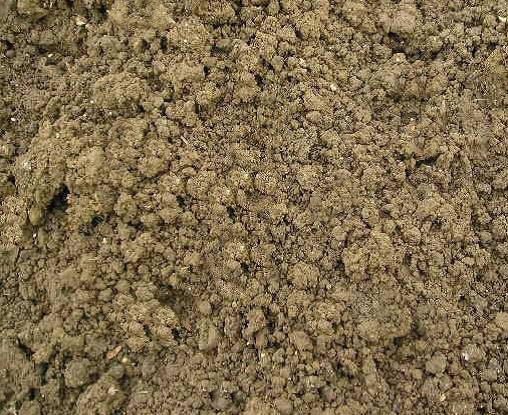
  • Crumb structure: loose, well-formed and ideal for lawns
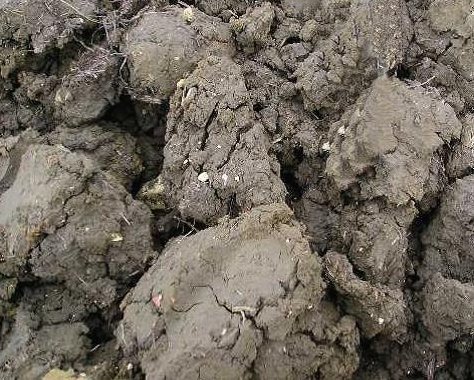
  • Blocky or compacted structure: dense and restrictive
  • Platy structure: layered and slow to drain

For most lawns, a crumb-like structure is the goal. It holds moisture while still allowing excess water to drain away.

Why soil structure is important​

The importance of soil structure is often underestimated. It affects almost every part of lawn performance.

Taking care of soil structure also supports long-term soil health, which is key to maintaining a consistent, resilient lawn over time. You can explore this further in our guide to supporting soil health.

Good soil structure supports:

  • Strong root development
  • Efficient drainage
  • Better nutrient uptake
  • Consistent growth and colour

Poor structure can lead to:

  • Waterlogging or dry patches
  • Weak or shallow roots
  • Increased moss or weed growth

Professional turf growers focus on soil first because it directly influences how well turf establishes and performs over time.

Signs your soil structure needs improving​

Many common lawn problems are linked to soil structure.

You may notice:

  • Water sitting on the surface after rain
  • Hard, compacted ground
  • Patchy or uneven growth
  • Turf that struggles to establish

These are often signs that the soil is too dense or lacks the right balance of air and moisture.

These issues are often linked to the underlying soil type. Understanding how your soil behaves can make it much easier to correct problems and plan improvements. This guide on using soil type for planting success explains what to look for.

Types of soil structure and how they affect lawns​

Understanding the types of soil structure helps you manage your lawn more effectively.

Crumb structure (ideal)

  • Loose and open
  • Drains well but retains moisture
  • Supports strong root systems

Compacted or blocky structure

  • Dense and heavy
  • Restricts root growth
  • Poor drainage

Sandy structure

  • Drains quickly
  • May struggle to retain moisture and nutrients

Each soil type behaves differently, but improving structure helps balance these conditions.

Info centre - well structured soil
Info centre - soil structure poorly structured soil

How to improve soil structure

Improving soil structure does not need to be complicated. Small, consistent changes can make a noticeable difference.

If you are unsure where to start, this step-by-step approach to improving your soil breaks down the process in more detail. 

Add organic matter
Incorporating compost or well-rotted organic material improves soil structure over time.
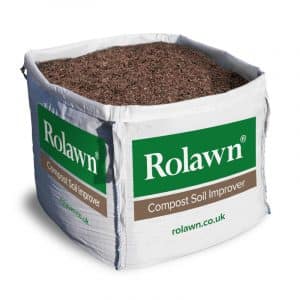
Products such as a soil improver designed to enhance soil structure can help introduce organic matter more consistently, especially in poor or heavily used soils. 
It helps bind soil particles into stable aggregates.

Aerate the soil
Aeration reduces compaction and allows air and water to move more freely. This is especially useful in high-traffic areas.

Avoid working the soil when wet
Working wet soil can damage its structure and lead to compaction. Allow it to dry slightly before digging or preparing.

Improve the soil before laying turf
Preparing the ground properly is one of the most important steps. Loosen the soil and ensure a consistent, workable surface before laying turf.

If you are bringing in new topsoil, it is also worth checking that it meets safety and quality standards. This guide on testing topsoil safety explains what to look for. 

If you are planning a new lawn, combining good topsoil with proper preparation will make ongoing care much easier.

Choosing the right topsoil is just as important as preparation. This topsoil buying guide can help you select a suitable option for your garden conditions.

Soil structure and drainage

Soil structure and soil drainage are closely linked. Well-structured soil allows water to pass through without becoming waterlogged.

If drainage is poor:

  • Roots can struggle to establish
  • Soil can become compacted over time

Improving the structure often improves drainage, creating a more balanced growing environment.

In gardens where water management is a recurring issue, more advanced approaches such as  SuDS soil systems can help control how water moves through the ground.

Long-term care for better soil structure

Maintaining good soil structure is an ongoing process.

You can support it by:

  • Aerating regularly
  • Topdressing with organic matter seasonally
  • Avoiding over-compaction from heavy use

These small steps help keep your soil healthy and your lawn performing well year-round.


Related advice
You may also find it useful to explore:

  • Turf laying and ground preparation guides
  • Lawn aftercare advice
  • Watering and drainage guidance

Each plays a role in supporting soil health and long-term lawn performance.

FAQs

What is soil structure in simple terms?

Soil structure describes how soil particles group together and how that affects water, air and root movement.

It supports root growth, drainage and nutrient uptake. Without a good structure, turf will struggle to establish and thrive.

Signs include compacted ground, water pooling and patchy grass growth.

Common types include crumb (ideal), compacted or blocky and sandy structures, each affecting drainage and root growth differently.

Aeration and adding organic matter are the most effective ways to improve soil structure over time.

Yes. Good soil structure improves drainage by allowing water to move through the soil more easily.

Yes. Preparing and improving soil structure before laying turf gives your lawn the best chance of long-term success.
If you are unsure about your soil condition or how to improve it, getting the groundwork right early will save time and help your lawn perform at its best.

Lawn care reminders to your inbox

You can also sign up to our newsletter to receive free seasonal lawn care advice and reminders of essential maintenance, as well as general horticultural advice and special offers from Rolawn.

Important update: Temporary 6.5% surcharge effective 7 April 

At Rolawn, we are committed to maintaining the high standards of quality and service our customers expect, so we want to be open with our customers about a change that will affect pricing from Tuesday 7th April. 

This decision has been taken in response to disruption to energy supplies, which has led to significant increases in wholesale prices, affecting not only fuel and fertiliser but also costs throughout our wider supply chain. As a business that relies heavily on fuel for both transport and operations, these sustained cost pressures have become increasingly difficult to absorb.  

While we have worked hard to mitigate the impact, the scale and pace of recent price increases have now exceeded what we can sustain internally, and we therefore need to recover a proportion of these externally driven increases. 

From Tuesday 7th April, a temporary 6.5% surcharge will apply to all products.  

We know that any increase in price is frustrating, particularly at a time when many businesses and households are already feeling under pressure. That is why we want to be clear that this is not a decision we have made lightly, and not one we wanted to make. It has been introduced solely to help offset unavoidable cost inflation and allow us to continue delivering the quality, reliability and service standards associated with Rolawn. 

We will continue to monitor market conditions closely and will review this surcharge as soon as circumstances allow, providing reasonable notice of any changes. We recognise that any price increase is unwelcome, but this step is necessary to ensure the continuity and reliability of our operations during a period of ongoing uncertainty. 

We remain committed to providing the quality, reliability and service standards you expect from Rolawn, and we truly appreciate your understanding and continued support. 

If you have any questions, please contact our customer support team who will be happy to help.